I chose to first read the article How to Stop the Bullies. The article had three main sections. The first was about a Facebook page anonymously created by a person in Woodrow Wilson Middle School. This person created a Facebook page using a fake email so it would be very difficult to trace their steps. The page was used to bully, harass, gossip, and pin students against one another. The article discussed why this page was able to fly under facebooks radar when it came to reporting the page. The people who reviewed the reports accidentally chose the wrong option which made it so that no matter how many reports the page got it didn’t matter, but as soon as this mistake was found Facebook took down the page.
The second part of the article focused on MIT computer scientist Henry Lieberman with a background in artificial intelligence. His goal was to find a way to keep common media’s and use technologies power to give resources to those in need using a platform called Bully-Space. This app will help educate students on what is happening in this specific situation and how to get help. Lieberman was bullied as a child and felt that he should develop this tool because with the vast complexities of the internet means that the “tell and adult” approach no longer is acceptable.
The third part of the article deals with another case of students harassing each other, this time using Twitter, and how the hacker group Anonymous tried to step in and provide help for the victim. Though associated with many anarchic acts, each of the members operate on their own accord and have many different kinds of protests. Two participants of the Anonymous group, Katherine and Ash, in the wake of the Amanda Todd suicide, were able to find a cry from help from a 12 year old girl who was being harassed by three different boys in a different state. Though because of the separation the girl was in no physical danger, she was horrified at some of the things the boys were saying to her, she was so hurt and didn’t understand how someone could wish death on another person. Katherine and Ash worked together to find the true identity of the boys, and then reported them to their school. Though they could not be punished, it was obvious that they realized how much their words online could affect someone else.
The thing I found most interesting about this article was the vast different platforms that people use, just to put others down and hurt them, and that more serious legislation hasn’t been put in place to prevent these harmful events from occurring without consequence. I think this was a well informed author, who really took the time to look into different aspects and situations to give a broader overview of the issue of cyber bullying.
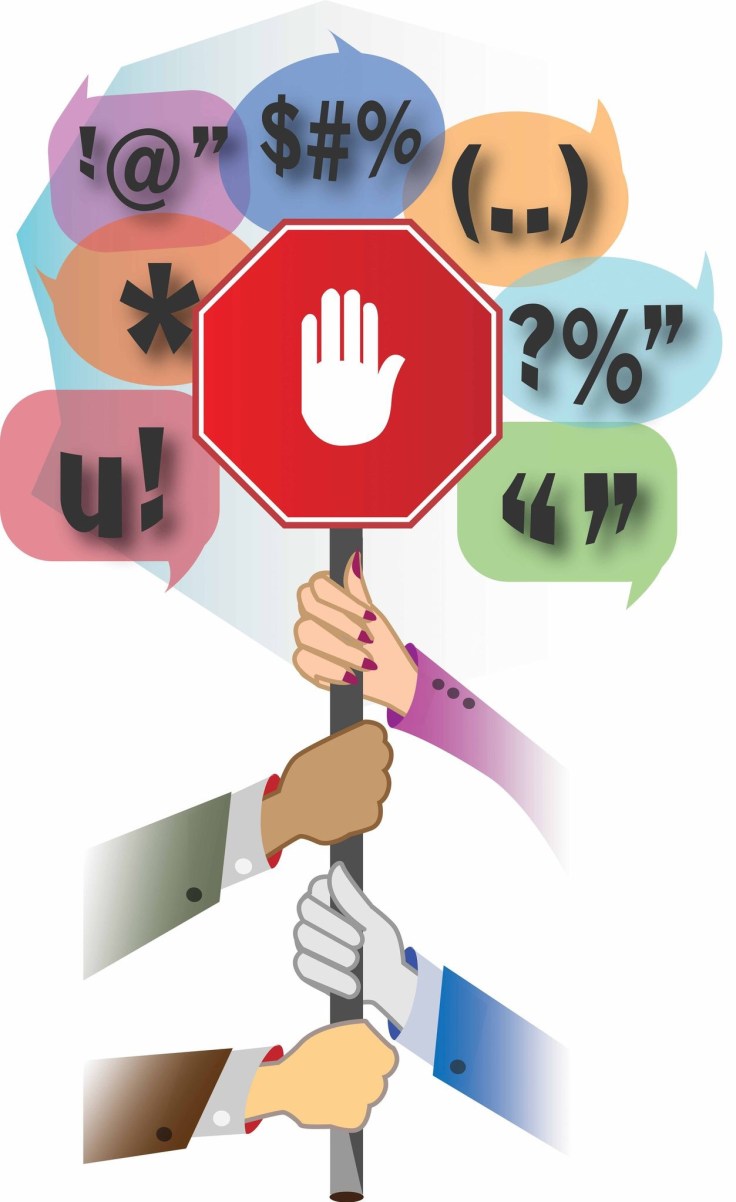
The second article I read was Meet Facebook’s Mr. Nice. This article talks about employee of Facebook, Arturo Bejar. His job is to teach teenagers using the website how to be respectful of one another. He believes the reason that people are able to be mean online is because we cannot see or sense how the other person is feeling using facial expressions and tone; if people could understand that they are truly being hurtful to one another much of this bullying could come to an end. Teaching others empathy is key to the success of his work. Tools like the reporting of post have been updated to be more specific and in turn, the person who made the hurtful post in the first place will often feel embarrassed and understand better why that may be hurtful to someone else.
The thing I found most interesting about this article is that even though 65 percent of people aged 18-29 in the U.S. have been harassed online. I think that the article was presented in a bit of an unprofessional manner, but the points made were valid.
 Dear Future ED 307 Students,











 The Mike Phillips video was a heart wrenching story that is a harsh reality for to many people. The biggest takeaway from the video was his perseverance to do as much as possible in his situation and he used and was thankful for all the tools that have helped him in his journey. In my personal experience, the biggest accessibility was the headphones and cassette player that read a book to the people wearing the headphones and they followed along in a paper copy of the book. I
